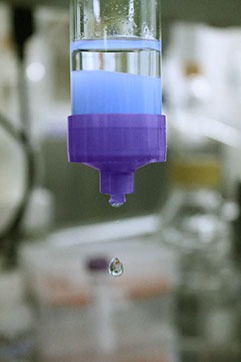
When your research generates a growing number of protein samples, the challenge is not simply choosing an analytical method. You also need to plan how many samples can be processed efficiently while maintaining consistent preparation, testing, analysis, and reporting. By organizing your project around sample throughput, you can reduce avoidable delays, coordinate sample submission more effectively, and obtain protein data that supports your research decisions.
Start by Defining Your Sample Volume
Before selecting an analytical workflow, determine how many samples you need to analyze now and how many you expect to generate later. A project involving 5 samples may require a very different workflow from one involving 50 or more.
Create a simple sample inventory that includes:
- Total number of samples
- Sample type and matrix
- Expected protein concentration
- Required analytical method
- Replicates or controls
- Desired reporting format
- Target completion timeline
This information gives you a realistic foundation for planning laboratory capacity.
For example, 1D SDS-PAGE can be useful when you need to compare protein patterns or assess purity across a defined sample set. Quantitative 1D packages can also use standards and replicate measurements to determine protein percentages by weight.
Match the Method to the Throughput
Your analytical objective should determine the method rather than forcing every sample through the same workflow.
If you need a straightforward comparison of molecular-weight patterns, 1D electrophoresis may provide an efficient approach. If your samples contain complex mixtures and you need separation based on both molecular weight and isoelectric point, 2D electrophoresis may be more appropriate.
For complex samples, proper preparation becomes particularly important. Kendrick Labs recommends defined protein loads for different 2D gel formats and staining approaches, demonstrating why sample quantity should be considered before scheduling a larger batch.
When you plan your protein analysis services for high-throughput sample testing around the actual analytical question, you can avoid unnecessary testing and make better use of your available sample material.
Standardize Sample Preparation Before Scaling
Throughput can quickly become a problem when every sample arrives with different preparation conditions.
Before sending a large batch, establish:
- Sample identification conventions
- Buffer composition
- Protein concentration requirements
- Storage conditions
- Replicate requirements
- Shipping procedures
- Required analytical methods
Consistency is especially important for comparative studies. Kendrick Labs notes that changing sample preparation can alter 2D patterns and recommends testing one or two samples before proceeding with larger numbers when you are uncertain about the preparation protocol.
This small pilot can help you identify concentration, solubility, salt, degradation, or loading issues before they affect an entire batch.
Build a Batch Strategy
Once your method is established, divide your samples into logical batches. You might group samples according to experiment, treatment, time point, formulation, or biological replicate.
Avoid creating batches solely according to the order in which samples were produced. Instead, consider which samples need to be compared directly.
For example, if you are comparing control and treated samples, keeping related samples within the same analytical workflow can simplify interpretation. Your batch plan should also leave room for controls and repeats where appropriate.
Kendrick Labs provides sample preparation guidance and can help determine appropriate loading amounts and analytical methods before processing.
Account for Sample Preparation Capacity
Your throughput calculation should include more than the number of gels or samples tested. Sample preparation can also become a bottleneck.
Protein determination, concentration, precipitation, desalting, homogenization, and other preparation steps may be necessary depending on the sample. For example, Kendrick Labs describes BCA or Bradford protein determination and several preparation options for samples requiring additional treatment.
Therefore, estimate the complete workflow:
Sample receipt → preparation → protein determination → electrophoresis → staining or blotting → image analysis → reporting
This approach gives you a more realistic estimate of project capacity.
Protect Your Samples From Throughput Problems
High sample volume can increase the consequences of poor labeling or inadequate storage. Every tube should have a clear identification system that connects the physical sample to your experimental records.
For frozen biological samples, Kendrick Labs recommends appropriate small tubes, clear identification, freezing, and dry-ice shipment using an overnight service when required.
You should also provide useful information about dilution, sample composition, and preparation. Better documentation can help the laboratory optimize loading and reduce unnecessary clarification.
Plan for Repeats and Unexpected Results
Never calculate capacity using your exact sample count alone. Leave some margin for repeat analysis.
A sample may produce an unexpected result because of degradation, insufficient protein, excessive salt, poor solubility, or another preparation issue. Kendrick Labs specifically recommends having additional material available for potential repeats in 2D workflows.
A practical throughput plan therefore includes:
Required samples + controls + replicates + potential repeats = realistic sample requirement
This prevents your schedule from becoming overloaded when additional testing is needed.
Coordinate the Timeline With Your Research Goals
Finally, connect sample throughput to your decision-making timeline. If your next experiment depends on protein characterization results, establish when the data must be available.
Share your expected sample volume, preferred method, sample condition, and desired timeline when requesting a project estimate. Early communication can help determine whether your samples should be processed together or in staged batches.
If you are preparing a larger project, you can contact a protein analysis laboratory about sample throughput and testing requirements before shipping your complete sample set.
FAQ
What does sample throughput mean in protein analysis?
Sample throughput refers to how efficiently a laboratory can receive, prepare, analyze, and report results for a defined number of samples within a given period.
How should you estimate protein analysis capacity?
Start with your total sample count, then add controls, replicates, and a reasonable allowance for repeat testing. Also consider preparation and reporting requirements.
Should you run a pilot before a large protein analysis project?
A pilot can be useful when sample preparation, loading conditions, or the analytical method is uncertain. Testing a small number of samples first can identify problems before you scale the workflow.
Does sample preparation affect throughput?
Yes. Preparation requirements such as concentration, precipitation, desalting, or other treatments can add processing time. Standardizing preparation before a large batch can make the overall workflow more predictable.
When should you discuss sample volume with the laboratory?
Ideally, discuss your expected sample volume and analytical objectives before submitting the complete batch. This gives you an opportunity to clarify preparation, loading, shipping, and analysis requirements in advance.