Relocations are one such life event that everyone encounters in their life, at least once or twice. You too would have experienced moving homes in the past or could be planning one in some time. Well, if that is so, and you are about to move your base from the United States’ Phoenix city, then speak to the professional Packers and Movers on time because finding a reputed team would not be a cakewalk. It will require a fair amount of research and planning. So, make sure once you have the rough layout of your prospective move in your head and the priorities listed on a document, it will make sense if you go ahead with the preparations.
About planning out a pro moving plan
What do you think should be the first step toward creating a picture-perfect moving plan? Should it be taking expert cues from the internet or involving professionals for some pro-moving guidance? Well, the answer to the question is none of it. Because the primary idea that goes into the move plan is your thoughts regarding the move. So, here in this article, we will tell you how you can frame the ultimate moving plan for your forthcoming relocation!
So, sit back and think through everything that you would include in the respective plan and gradually work in that direction.
For instance, you can watch out for the following ideas to craft your moving strategy:
Evaluate the costs involved carefully – To calculate the amount of finances you would need to plan and execute your move seamlessly, you should first see how much you can spend on the task. Relocation is one such assignment that involves several surprising courses of events and abrupt costs, so you should first evaluate all the possible costs that you might be spending on your move beforehand and then only step ahead to the next stage.
Decide the timeline for your move – Do you have a decided timeframe or duration in your head by when you are planning to accomplish all your packing tasks? If you do not have any such planner, then make sure to create one so you are aware of accomplishing all your to-do responsibilities before time. Set up this timeline thoughtfully overseeing all the tasks that you have on your plate. Even if the professional packers are there to assist you, you should calculate the time as per the count of tasks you are going to attend by yourself, at your end.
Be aware of the season as well – Depending on when you have decided to schedule your move, you should know that the season would also impact your move in some way or the other. If moving in the monsoons, you will have to pay extra attention to how your goods get packed and what kind of assistance the movers give you, on the project. Knowing the local weather of the current city and also the destination city when you shall be carrying out the move is extremely important.
Research about the new place – Meanwhile when you are doing your research, you should also explore a bit about the new city you are moving to! If you are moving there for the first time, you should be all the more careful about reading the whereabouts of the place – like its local culture, language, beliefs, people, occupation, amenities, climate, etc. Other than that, you should also research the destination city or state’s rules and regulations so you can settle down comfortably.
Give your goods good packaging – Handling goods for the move alone is not a feasible idea. So, if you ever decide to do it alone, you should invest in the right kind of resources and packing materials, equipment, and tools that the job would take. In addition to that, do also refer to expert packing tips and strategies that you think you can implement in the process while managing them yourself. Remember, your sole priority should be to focus on the safety of your belongings. So, no matter what it takes, you should bring it all in.
Be prepared to spend a little extra – You cannot expect your actual moving expenses to turn out the same way, as your initial moving estimation. You might see yourself spending more for services or things that you did not realize you would even pay for. So, you should save some extra money for these unplanned, unforeseen costs. There could be extra handling charges, special items handling costs, packaging costs, storage costs, loading and unloading costs, etc. which you might need to pay for during the move.
See if you need storage services – Storage services are also quite crucial to be chosen especially if you have things that you want to put to safety storage owing to their extraordinary fragility or value. You cannot expect to find top-notch storage services from your hired mover because storage solutions are dedicated services which majorly are mostly offered by leading storage companies. You can research those dedicated storage companies online to discuss your storage requirements.
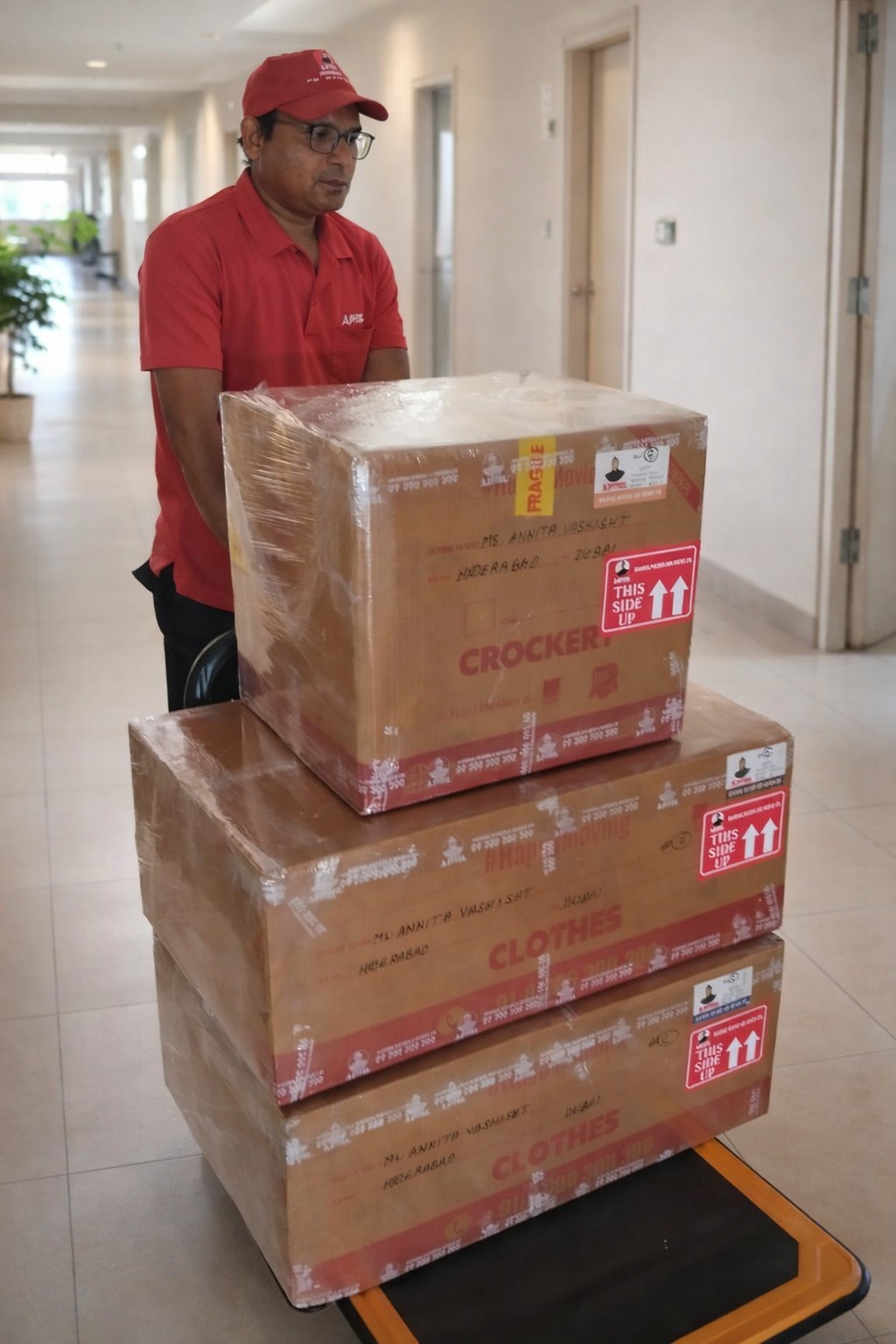
Get complex goods packed well – Belongings like artefacts, pictures, ornaments, show pieces, appliances, etc. should be prepared well, using dense cushioning and sturdy packaging. Make sure every item you pack is clean and free of any add-ons. To pack an item, place it over a clean packing paper or cushioning sheet and add a couple of coats of the sheet depending on the item you are handling. Fragile items should be given extra layering. Then all these layers should be secured well using packing tape so that everything stays put.
Lastly, add properly-specified labels that not only contain the name of the item or the room details but also highlight necessary handling instructions for the one handling it.
Go over all the packing done by you or the professionals, and verify if all the tasks on your to-do list are attended. Then leave it for the professional moving company to inspect the goods one last time before they escalate things further!
Creating a truly effective moving checklist isn’t about jotting down random tasks—it’s about building a structured, time-bound system that keeps your entire relocation under control. Here’s a professional, A+ manual that walks you through it step by step.
- Start with a Timeline Framework
The biggest mistake people make is starting too late. Break your checklist into phases:
6–8 Weeks Before Move
Finalize your moving date
Decide between DIY move or hiring movers
Begin decluttering (sell, donate, discard)
Create a moving folder (digital or physical)
4–5 Weeks Before Move
Book movers or rental truck
Gather packing supplies (boxes, tape, bubble wrap)
Notify landlord (if applicable)
Start packing non-essential items
2–3 Weeks Before Move
Transfer utilities (electricity, water, internet)
Update your address (banks, subscriptions, workplace)
Pack room-by-room systematically
Arrange school/medical record transfers (if needed)
1 Week Before Move
Pack essentials box (daily-use items)
Confirm bookings with movers
Clean your current home
Defrost refrigerator (if applicable)
Moving Day
Supervise loading/unloading
Check inventory list
Lock windows, doors, and switch off utilities
- Break It Down by Categories
A professional checklist works best when divided into clear sections:
Administrative Tasks
Address change notifications
Insurance updates
ID/document updates
Packing Tasks
Label boxes by room and priority
Use colour coding for quick identification
Keep fragile items separately marked
Logistics
Transport arrangements
Parking permissions (if needed)
Elevator booking (for apartments)
Cleaning and Repairs
Patch holes, repaint if required
Dispose of hazardous waste
Final deep cleaning
- Apply Smart Packing Strategy
Instead of packing randomly, follow these expert techniques:
Pack one room at a time to avoid confusion
Use original boxes for electronics
Keep heavy items in small boxes, light items in large ones
Maintain a master inventory list
- Create an Essentials Kit
This is your survival kit for the first 24–48 hours:
Important documents
Phone chargers and power bank
Toiletries and medications
Change of clothes
Snacks and water
Keep this bag with you—not in the moving truck.
- Add a Verification System
Professionals always include a checking mechanism:
Tick off tasks as completed
Use a spreadsheet or checklist app
Keep receipts and contracts in one place
Cross-check all rooms before leaving
- Plan for Contingencies
Even the best plans can face hiccups:
Keep extra packing materials
Have backup transport options
Save emergency contacts
Allow buffer time for delays
- Post-Move Checklist
Your checklist shouldn’t end at arrival:
Inspect delivered items for damage
Unpack essentials first
Set up utilities and internet
Introduce yourself to neighbours
Update local registrations if required
Think of your checklist as a living document—update it as your move evolves. The more personalized it is, the more effective it becomes.