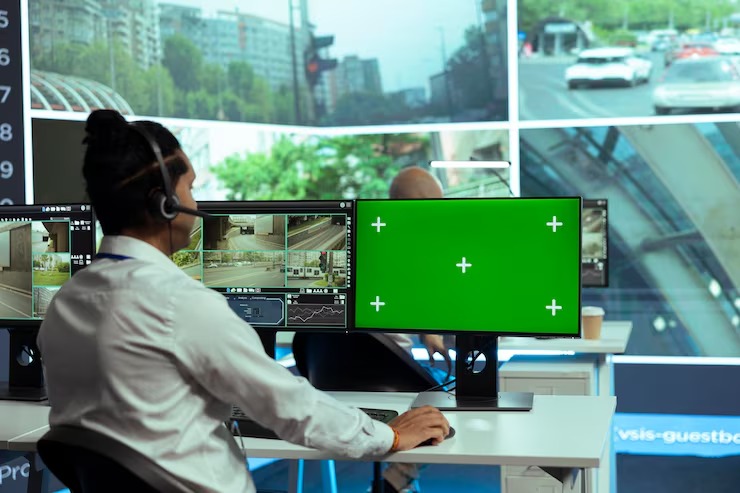
Workplace safety is essential to protecting your employees, visitors, equipment, inventory, and business premises. Whether you operate an office, warehouse, retail store, hotel, healthcare facility, or industrial site in Dubai, security risks can affect your daily operations and business continuity. Commercial CCTV systems help you monitor important areas, identify suspicious activities, investigate incidents, and maintain better control over your workplace.
A professionally planned CCTV system does more than record video. It gives you greater visibility into your premises, supports security procedures, and helps you respond to potential threats more effectively. With the right cameras, recording equipment, network infrastructure, and monitoring capabilities, you can build a security system that suits your operational requirements.
If you are looking for reliable surveillance solutions, working with an experienced CCTV Company Dubai businesses can trust helps you choose suitable equipment, plan camera coverage, and maintain consistent system performance.
Why Commercial CCTV Systems Are Essential for Workplace Safety
Every workplace has different security requirements. An office may need access-point monitoring, while a warehouse may require surveillance across loading bays, storage areas, and perimeter entrances. Commercial CCTV systems help you address these requirements through continuous or scheduled video monitoring.
1. Prevent Unauthorised Access
Unauthorised entry can expose your business to theft, property damage, and safety concerns. CCTV cameras placed at entrances, reception areas, delivery points, and restricted zones help you monitor who enters and leaves your premises.
When you combine video surveillance with access control systems, you can strengthen your overall security arrangements. This approach is particularly useful when you manage multiple departments, external contractors, delivery personnel, or visitors.
To improve access security, identify all entry points, assess areas with restricted access, and position cameras to capture useful footage without obstructing normal workplace activities.
2. Reduce Theft and Property Damage
Theft of equipment, stock, tools, and confidential materials can lead to financial losses and operational disruption. Visible CCTV cameras may discourage opportunistic theft and provide recorded evidence when an incident occurs.
For retail businesses, cameras can monitor checkout counters, stockrooms, and customer areas. Warehouses can benefit from surveillance around high-value inventory, loading docks, and vehicle access points. Offices can monitor equipment storage rooms and shared facilities.
For the best results, position cameras according to actual risk levels rather than installing them randomly. Review your inventory procedures and identify locations where missing items, unauthorised handling, or property damage could occur.
3. Improve Employee and Visitor Safety
A safe workplace requires more than preventing theft. You also need to identify hazards, monitor shared spaces, and respond to emergencies.
Commercial surveillance can help you review incidents involving slips, falls, unauthorised entry into hazardous areas, or disputes. Cameras installed in suitable locations can also help security teams understand what happened before and after an event.
However, CCTV should support your workplace safety procedures rather than replace them. You still need appropriate training, emergency plans, hazard inspections, and clear reporting processes.
Respect employee privacy by avoiding inappropriate monitoring areas and explaining the purpose of surveillance. Establish clear rules about who can view footage and how long recordings are retained.
Key Features to Consider in a Commercial CCTV System
Choosing the right equipment requires you to consider your building layout, security objectives, lighting conditions, network infrastructure, and recording requirements.
High-Resolution Video
Clear images make it easier to recognise relevant details during incident investigations. Higher-resolution cameras can be useful at entrances, reception desks, vehicle access points, and other areas where identification matters.
However, resolution alone does not guarantee useful footage. Camera positioning, lighting, lens selection, movement, and recording settings also affect image quality. Choose equipment that delivers suitable detail at the distances you need to monitor.
Night Vision and Low-Light Performance
Security risks do not disappear after business hours. If your premises operate overnight or remain unoccupied during weekends, cameras must perform effectively in low-light conditions.
Infrared night vision, suitable low-light sensors, and additional lighting can improve visibility in dark corridors, parking areas, storage facilities, and building perimeters.
Before installation, evaluate lighting conditions at different times of day. This helps you determine whether standard cameras, infrared models, or specialist low-light equipment are appropriate.
Remote Viewing and Alerts
Modern CCTV systems may allow authorised users to view live feeds and recorded footage through compatible computers or mobile devices. This can be helpful when you manage multiple premises or need to check security outside normal business hours.
Depending on the equipment, you may also receive alerts for motion or specific detected events. Configure notifications carefully to reduce unnecessary alerts and avoid overwhelming your security team.
Protect remote access with strong passwords, multi-factor authentication where available, restricted user permissions, and regularly updated firmware.
Reliable Recording and Storage
Recording capacity determines how much footage your system can retain before older files are overwritten or storage must be expanded.
Your storage requirements depend on the number of cameras, resolution, frame rate, recording schedule, compression settings, and retention period. Continuous recording generally requires more storage than event-based recording.
Choose a recording solution that matches your investigation and compliance requirements. Test playback, verify that recordings are being saved correctly, and confirm that authorised staff can retrieve footage when necessary.
Integration with Other Security Systems
You can strengthen workplace protection by integrating CCTV with access control, alarm systems, intercoms, and suitable network infrastructure.
For example, if an access-control alert identifies an unauthorised entry attempt, associated camera footage may help security personnel assess the event. Integration can also reduce the need to operate several disconnected security systems.
Before selecting equipment, check compatibility, licensing requirements, network capacity, and future expansion needs.
How to Plan CCTV Camera Placement for Maximum Coverage
Even high-quality cameras can leave security gaps when installed incorrectly. A structured site assessment helps you achieve more useful coverage.
Start with a security assessment. Identify your main risks, including theft, unauthorised access, vehicle movement, equipment damage, and safety incidents. Consider how these risks differ between public areas, employee workspaces, storage facilities, and restricted zones.
Prioritise critical locations. Focus on entrances, exits, reception desks, corridors, parking areas, delivery zones, and locations containing valuable equipment. Assess whether you need a wide overview, detailed identification, or both.
Check for blind spots. Shelving, pillars, partitions, reflective surfaces, and poor camera angles can obstruct visibility. Review camera views before finalising the installation.
Evaluate lighting and environmental conditions. Outdoor cameras may need weather-resistant housings, suitable mounting, and protection against dust and heat. Indoor cameras should match the lighting and operating conditions of each space.
Plan the network and power supply. IP cameras rely on dependable network connectivity, while many systems use Power over Ethernet (PoE) to carry data and electrical power through compatible cabling. Ensure your switches, cabling, bandwidth, and backup arrangements can support the intended system.
Test the completed installation. Verify live viewing, recording, playback, remote access, camera angles, and alerts. Document camera locations and system settings to simplify future troubleshooting.
Commercial CCTV Solutions for Businesses in Dubai
Dubai businesses operate across a wide range of commercial environments, from corporate offices and retail outlets to hospitality properties, healthcare facilities, and industrial warehouses. Each environment requires a surveillance strategy based on its layout, operating hours, security risks, and business processes.
For example, a retail store may prioritise entrances, checkout counters, and stockrooms. A hotel may require carefully planned monitoring of public entrances, service access points, and back-of-house areas while respecting guest privacy. A warehouse may need wide-area coverage, vehicle monitoring, and reliable recording across loading zones.
When evaluating a CCTV Company Dubai provider, consider its experience with commercial installations, ability to assess site-specific requirements, equipment recommendations, installation standards, and ongoing technical support.
You should also check whether the proposed solution supports future expansion. If you plan to add locations, cameras, or integrated security systems, a scalable design can reduce the need for major upgrades later.
Local requirements matter as well. Before installing or expanding surveillance, confirm the applicable UAE and Dubai rules concerning CCTV, privacy, data protection, recording, and any relevant security-authority approvals. Requirements may vary by property type and business activity, so obtain appropriate professional guidance where necessary.
Best Practices for Maintaining Your CCTV System
A CCTV system only delivers dependable protection when it remains operational. Poor maintenance can lead to missing recordings, unclear images, disconnected cameras, and delayed incident investigations.
Use the following practices to keep your system effective:
- Inspect cameras regularly: Check for dust, obstructions, loose fittings, damage, and changes to the surrounding environment.
- Test recording and playback: Confirm that footage is available, saved correctly, and retrievable when required.
- Review storage capacity: Ensure the system can meet your intended recording and retention requirements.
- Secure system access: Remove unnecessary accounts, review permissions, and update credentials when staff responsibilities change.
- Install updates carefully: Apply appropriate firmware and software updates to address security issues and maintain compatibility.
- Check backup power: Test relevant uninterruptible power supplies and backup arrangements where continuity is required.
- Keep maintenance records: Document inspections, repairs, configuration changes, and recurring faults.
You should also review camera placement when your workplace layout changes. New partitions, shelving, machinery, or entrances can create blind spots that were not present during the original installation.
Common CCTV Installation Mistakes to Avoid
Several avoidable mistakes can reduce the value of your investment. One common issue is selecting cameras based only on price. Low-cost equipment may not provide the image quality, durability, storage options, or integration capabilities your business needs.
Another mistake is overlooking network security. Internet-connected cameras and recorders should not use unnecessary exposed services or default credentials. Separate surveillance devices from general business systems where appropriate, restrict administrative access, and follow secure configuration practices.
Insufficient storage planning is another concern. If you do not calculate recording requirements, you may discover that important footage is unavailable when an investigation begins.
Finally, avoid installing cameras without a defined purpose. Every camera should address a particular security or operational need, and its placement should be consistent with applicable privacy requirements.
How Netcom System Solution LLC Can Support Your Workplace Security
Selecting and implementing commercial CCTV equipment involves more than choosing cameras. You need a solution that considers site layout, recording requirements, connectivity, access permissions, system integration, and ongoing maintenance.
Netcom System Solution LLC is a relevant starting point when researching commercial security and technology solutions for your business. Before proceeding, discuss your premises, security priorities, required coverage, and technical expectations with the provider to establish a suitable project scope.
To learn more about the company’s services, explore Netcom System Solution LLC through its website at https://netcomss.com/. You can also use the descriptive anchor text commercial CCTV installation and security support when linking to a relevant service page on the website, provided that page exists.
When preparing your requirements, include the number of locations, approximate premises size, indoor and outdoor camera needs, remote monitoring expectations, recording retention period, and integration requirements. These details help you obtain a more accurate recommendation and quotation.
If you are planning a new installation or upgrading an existing system, Contact Us is an appropriate anchor text for your website’s contact page. Use it to direct prospective customers to the relevant enquiry page so they can discuss their requirements and request further information.
Conclusion
Commercial CCTV systems are an important part of a practical workplace safety strategy. They help you monitor critical areas, deter some security threats, investigate incidents, and improve visibility across your premises.
To get the best results, begin with a security assessment, select suitable cameras, plan coverage carefully, protect network access, and maintain reliable recording and storage. You should also establish clear policies for footage access, retention, and employee privacy.
If your business operates in Dubai, choosing a surveillance solution that suits your premises and applicable local requirements can help you establish a more organised and dependable security environment. With proper planning and regular maintenance, your CCTV investment can support safer operations and better-informed security decisions.
Frequently Asked Questions
1. What is a commercial CCTV system?
A commercial CCTV system uses security cameras, recording equipment, and monitoring software to observe business premises. It helps you monitor entrances, workplaces, storage areas, and other critical locations while supporting incident investigation and security management.
2. How many CCTV cameras does a business need?
The number depends on your premises size, layout, security risks, and required coverage. A professional site assessment helps identify critical areas, potential blind spots, suitable camera positions, and the equipment needed to meet your objectives.
3. Can you monitor commercial CCTV cameras remotely?
Yes. Many modern IP CCTV systems support authorised remote viewing through compatible mobile devices or computers. Secure passwords, restricted permissions, multi-factor authentication where available, and updated firmware help protect remote access.
4. How long should commercial CCTV footage be stored?
The appropriate retention period depends on your operational needs and applicable legal requirements. Consider incident investigation, storage capacity, contractual obligations, and relevant UAE privacy and data-protection rules when setting your retention policy.
5. How do you choose a CCTV company in Dubai?
Evaluate the provider’s commercial installation experience, equipment quality, site assessment process, system integration capabilities, maintenance support, and understanding of applicable local requirements. Request a clear proposal covering camera placement, storage, network security, and ongoing service.