Maintaining productivity in a controlled environment requires more than skilled personnel and efficient processes. The design and functionality of your workspace play a critical role in how effectively tasks are completed. When you work in industries such as pharmaceuticals, biotechnology, electronics manufacturing, medical device production, or research laboratories, contamination control and operational efficiency must go hand in hand. This is where cleanroom workstations become essential.
A well-designed cleanroom workstation helps you streamline workflows, reduce errors, improve organization, and maintain compliance with strict cleanliness standards. By creating an optimized work environment, you can increase output while protecting sensitive products and processes.
Create an Organized and Efficient Workspace
One of the biggest productivity challenges in any cleanroom is workspace clutter. Tools, materials, and equipment that are not properly organized can slow down operations and increase the risk of contamination.
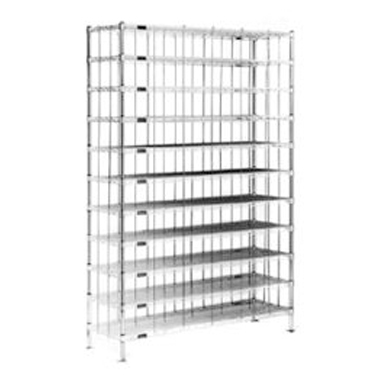
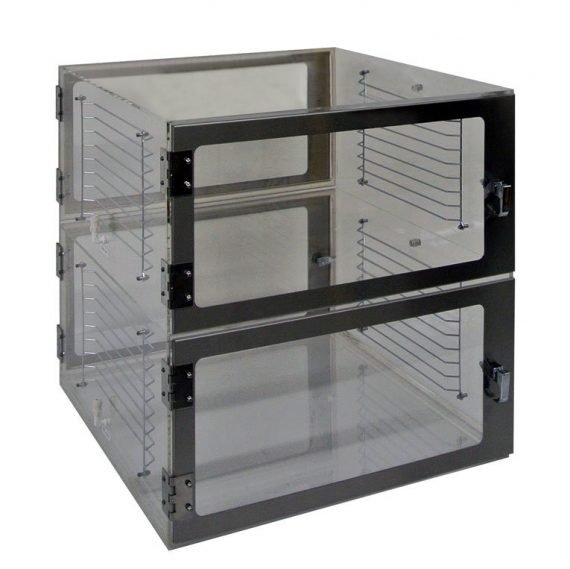
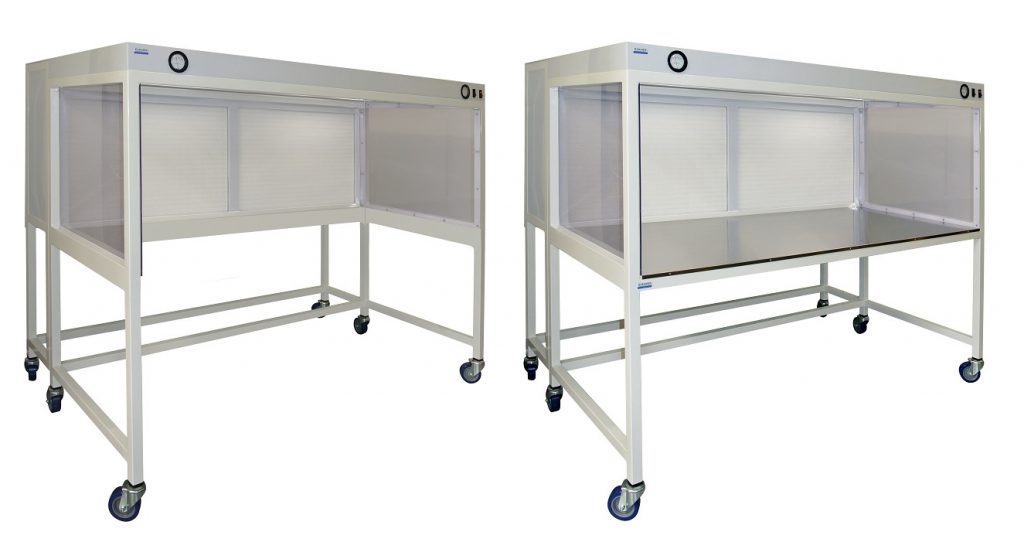
Using specialized cleanroom workstations for contamination-controlled environments allows you to organize supplies efficiently while maintaining cleanliness requirements. Dedicated storage areas, ergonomic layouts, and easy-to-clean surfaces help you keep everything within reach, reducing unnecessary movement and wasted time.
When your workspace is organized, you can focus on completing tasks accurately and efficiently.
Reduce Contamination Risks
Contamination incidents can lead to production delays, product loss, and costly rework. Every interruption caused by contamination directly affects productivity.
High-quality Cleanroom Workstations are designed with smooth, non-particle-shedding materials that support contamination control efforts. These workstations minimize dust accumulation and simplify cleaning procedures, helping you maintain a sterile environment throughout daily operations.
By reducing contamination risks, you spend less time troubleshooting issues and more time achieving production goals.
Improve Employee Comfort
Employee comfort has a direct impact on productivity. If your team experiences physical strain during repetitive tasks, fatigue can develop quickly and reduce overall performance.
Modern cleanroom workstations often include ergonomic features such as adjustable heights, optimized work surfaces, and efficient equipment placement. These features help you maintain proper posture and reduce physical stress during long shifts.
When employees are comfortable, they can work more efficiently, maintain focus longer, and make fewer mistakes.
Enhance Workflow Efficiency
An inefficient workflow can create bottlenecks that slow down production. Cleanroom workstations are designed to support specific tasks and processes, making it easier to move materials and complete operations without unnecessary delays.
For example, strategically positioned equipment, integrated storage solutions, and dedicated work areas help reduce travel time between tasks. This streamlined setup allows you to complete processes faster while maintaining quality standards.
The result is a more productive operation with improved throughput and consistency.
Support Regulatory Compliance
Many industries operating within cleanrooms must comply with strict regulations and quality standards. Failing inspections or audits can disrupt operations and impact productivity.
Investing in cleanroom workstation solutions for regulatory compliance and efficiency helps you maintain organized, compliant work areas. Properly designed workstations support cleaning protocols, documentation procedures, and contamination control measures required by industry standards.
When compliance becomes easier to maintain, you reduce the risk of operational disruptions and costly corrective actions.
Increase Product Quality
Productivity is not just about producing more units. It is also about producing high-quality results consistently. Defects, errors, and contamination-related issues can reduce overall efficiency by creating additional work.
Cleanroom workstations provide a stable and controlled environment that supports precision tasks. Whether you are assembling medical devices, handling sensitive electronic components, or conducting laboratory research, a dedicated workstation helps maintain product integrity.
Improved quality means fewer rejected products, reduced waste, and greater operational efficiency.
Facilitate Better Space Utilization
Cleanroom space is often expensive to build and maintain. Maximizing available space is essential for improving productivity and controlling operational costs.
Specialized workstations are designed to fit efficiently within cleanroom layouts. Modular configurations allow you to optimize floor space while providing sufficient room for personnel and equipment.
Effective space utilization enables smoother workflows and supports future expansion without requiring major facility modifications.
Simplify Cleaning and Maintenance
Routine cleaning is necessary to maintain cleanroom standards, but excessive cleaning time can reduce productivity. Traditional furniture and equipment may contain difficult-to-clean surfaces that increase maintenance requirements.
Cleanroom workstations are designed with smooth finishes and minimal crevices, allowing for faster and more effective cleaning. This design helps you maintain cleanliness standards while minimizing downtime.
The less time spent on maintenance, the more time available for productive work.
Adapt to Changing Operational Needs
As production demands evolve, your workspace should be able to adapt without causing significant disruptions. Flexible workstation designs allow you to reconfigure layouts and accommodate new equipment or processes.
Many organizations choose customizable solutions from CleaTech LLC to support changing operational requirements. Flexible workstation systems help you respond quickly to growth opportunities while maintaining productivity and contamination control.
Adaptability ensures your facility remains efficient even as business needs change.
Choosing the Right Cleanroom Workstation
When selecting a workstation, consider the following factors:
- Material compatibility with your cleanroom classification
- Ergonomic design features
- Storage and organization capabilities
- Ease of cleaning and maintenance
- Modular and customizable options
- Equipment integration requirements
- Long-term durability
Selecting the right workstation helps create a productive environment that supports both operational efficiency and contamination control goals.
Conclusion
Cleanroom workstations are more than simple work surfaces. They are productivity-enhancing tools that help you maintain organization, reduce contamination risks, improve employee comfort, support compliance, and optimize workflow efficiency. By investing in high-quality Cleanroom Workstations, you can create a safer, cleaner, and more productive environment that supports long-term operational success.
For expertly engineered cleanroom solutions, explore the available options from CleaTech LLC. If you need assistance selecting the right workstation for your facility, Contact us today to discuss your specific requirements with experienced cleanroom specialists.
Frequently Asked Questions
What are cleanroom workstations?
Cleanroom workstations are specialized work surfaces and equipment stations designed for controlled environments where contamination control is critical.
How do cleanroom workstations improve productivity?
They improve organization, streamline workflows, reduce contamination risks, enhance employee comfort, and support efficient operations.
What materials are commonly used in cleanroom workstations?
Common materials include stainless steel, powder-coated steel, and other non-particle-generating surfaces that are easy to clean and maintain.
Are cleanroom workstations customizable?
Yes. Many cleanroom workstations can be customized with shelving, storage systems, adjustable heights, and equipment integration options.
Which industries benefit from cleanroom workstations?
Industries such as pharmaceuticals, biotechnology, healthcare, electronics manufacturing, aerospace, and research laboratories commonly use cleanroom workstations.
Why is ergonomics important in cleanroom workstations?
Ergonomic designs help reduce worker fatigue, improve comfort, minimize repetitive strain, and enhance overall productivity.