When you design a cleanroom, every surface and piece of equipment can affect contamination control. Cleanroom furniture should support your process rather than create additional sources of particles, microbes, or chemical residue. By choosing suitable materials, simple designs, and easy-to-clean surfaces, you can create a workspace that is easier to maintain and better suited to controlled environments.
Start With Your Contamination-Control Requirements
Before selecting furniture, identify the contamination risks in your cleanroom. Your requirements may differ depending on whether you handle pharmaceuticals, electronics, medical devices, biotechnology products, or sensitive laboratory materials.
Consider:
- Required cleanroom classification
- Particle-control requirements
- Chemical exposure
- Cleaning and disinfection procedures
- Temperature and humidity conditions
- Worker activities and movement
- Equipment placement and workflow
Your furniture should fit the same contamination-control strategy as the rest of the room. Avoid selecting products based only on appearance or price. A visually attractive workstation can still create problems if it has difficult-to-clean joints, exposed hardware, or porous materials.
Choose Materials That Support Cleanability
Material selection is one of the most important decisions when designing cleanroom furniture. Stainless steel is widely used because it provides a smooth, durable surface that can withstand frequent cleaning. Other applications may require specially finished metals, plastics, or coated materials based on chemical compatibility and operating conditions.
Look closely at the entire construction, not just the main tabletop. Legs, shelves, handles, fasteners, and supports should also withstand your cleaning routine.
For contamination-sensitive areas, select easy-to-clean cleanroom furniture for controlled environments with:
- Smooth, non-porous surfaces
- Minimal seams and crevices
- Rounded or accessible edges
- Corrosion-resistant construction
- Durable finishes
- Securely enclosed or protected components
You should also verify that the furniture material is compatible with the disinfectants and chemicals used in your facility.
Design Furniture Around Workflow
Poor furniture placement can increase unnecessary movement and make contamination control harder. Instead, arrange workstations according to the direction of your workflow.
Place frequently used equipment within easy reach. Keep clean materials separated from potentially contaminated materials. Provide enough clearance around furniture so personnel can clean floors and surrounding surfaces effectively.
Your cleanroom furniture for contamination control and efficient workflows should also avoid unnecessary obstacles. Excessive furniture can restrict movement, create difficult-to-clean spaces, and interfere with airflow patterns.
For example, a workstation used for sterile preparation may need a different configuration from furniture used for electronic component assembly. Match the furniture layout to the actual process rather than using a standard arrangement for every room.
Reduce Particle and Contamination Traps
Furniture can become a contamination problem when its design creates places where particles or residue can accumulate. Inspect furniture carefully for gaps, hollow sections, exposed threads, unnecessary grooves, and difficult-to-access areas.
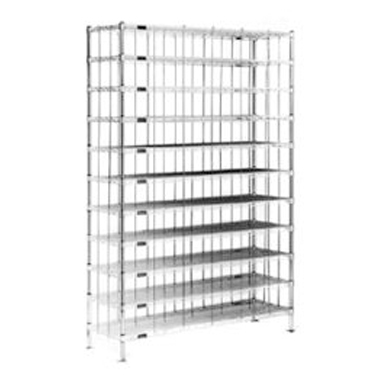
A practical design approach is to choose simple furniture with fewer components and accessible surfaces. Shelving should allow you to clean underneath and around stored items. Work surfaces should remain unobstructed where possible.
You should also consider the furniture’s relationship with airflow. Large or poorly positioned furniture can interfere with air movement in some cleanroom configurations. Coordinate furniture placement with your facility’s airflow design and contamination-control procedures rather than assuming that every layout will perform the same way.
Make Cleaning and Maintenance Part of the Design
Cleanroom furniture should make routine cleaning easier, not turn it into a complicated task. Establish how frequently each surface will be cleaned and what products will be used before finalizing your furniture selection.
Choose designs that allow personnel to reach:
- Work surfaces
- Undersides of tables
- Chair components
- Shelving
- Supports and legs
- Areas around wheels or casters
If furniture uses casters, check whether they are suitable for your environment and cleaning requirements. Locking mechanisms should remain functional after repeated cleaning.
You can explore purpose-built Cleanroom Furniture for contamination-sensitive laboratory areas to find configurations that better align with controlled-space requirements. Global Lab Supply provides laboratory and cleanroom equipment options for different workspace needs.
Build a Flexible and Maintainable Layout
Your cleanroom may change as processes, equipment, or production requirements evolve. Designing furniture with flexibility in mind can help you adapt without repeatedly disrupting the workspace.
Modular tables, adjustable shelving, and movable workstations can be useful when your workflow changes. However, flexibility should not come at the expense of stability or contamination control.
Before purchasing, check the furniture dimensions, load capacity, mobility, construction materials, and maintenance requirements. Confirm that the selected configuration fits through doors and into the intended workspace.
You can review the available Cleanroom Furniture solutions for organized and contamination-controlled laboratory workspaces from Global Lab Supply when comparing options for your application.
Common Mistakes to Avoid
Several furniture decisions can make contamination control more difficult. Avoid choosing products solely because they are inexpensive or visually appealing.
Common mistakes include:
- Using porous or difficult-to-clean materials
- Creating excessive furniture density
- Ignoring chemical compatibility
- Blocking cleaning access
- Adding unnecessary shelves or components
- Forgetting ergonomic requirements
- Placing furniture without considering airflow
- Failing to establish a cleaning and maintenance routine
A better approach is to evaluate each furniture item as part of the complete cleanroom system. Your table, chair, shelving, storage, and workstation should support the same contamination-control objectives.
When you combine appropriate materials, cleanable construction, thoughtful placement, and practical maintenance, you can create a cleanroom workspace that supports both operational efficiency and contamination control. For help selecting equipment and workspace solutions, you can contact us today for cleanroom furniture and laboratory equipment guidance.
FAQs
What type of furniture is suitable for cleanrooms?
Choose furniture with smooth, non-porous, durable, and easy-to-clean surfaces. Stainless steel is commonly selected for many controlled environments because it can withstand frequent cleaning and is resistant to corrosion.
Why is furniture design important for contamination control?
Furniture can collect particles and residues when it contains cracks, gaps, porous materials, or difficult-to-clean components. Simple, accessible designs make routine cleaning easier and can reduce potential contamination traps.
How should you arrange furniture in a cleanroom?
Arrange furniture around your workflow while maintaining appropriate cleaning access and avoiding unnecessary movement. Coordinate placement with the room’s airflow and contamination-control requirements.
Is stainless steel furniture suitable for cleanrooms?
Stainless steel can be suitable for many cleanroom applications because it offers a smooth, durable, and cleanable surface. You should still verify its grade, finish, chemical compatibility, and suitability for your specific environment.
How often should cleanroom furniture be cleaned?
Cleaning frequency depends on your cleanroom classification, process, contamination risk, and facility procedures. Follow your validated cleaning program and use cleaning agents compatible with the furniture materials.