Consistent drying is essential when you work with moisture-sensitive materials, laboratory specimens, electronic components, chemical compounds, or precision-manufactured parts. Uneven moisture removal can affect sample quality, compromise experimental results, and create unnecessary rework. A vacuum desiccator chamber helps you reduce moisture exposure by lowering internal pressure and supporting controlled drying under suitable conditions.
However, achieving repeatable results requires more than simply placing materials inside a chamber and applying a vacuum. You must consider sample characteristics, loading arrangements, pressure levels, temperature sensitivity, and drying time. By optimizing these factors, you can improve drying consistency, protect sensitive materials, and establish a more reliable laboratory workflow.
Understand Your Material’s Drying Requirements
Before selecting a drying method, identify the properties of the materials you need to process. Different samples release moisture at different rates depending on their composition, thickness, porosity, and initial moisture content.
For example, hygroscopic powders may absorb moisture rapidly from ambient air, while porous components can retain moisture within internal spaces. Thick samples may also require longer drying periods than thin specimens.
Start by documenting:
- Initial moisture content or moisture-related condition.
- Material composition and chemical compatibility.
- Maximum allowable temperature.
- Sensitivity to oxidation or atmospheric exposure.
- Required final moisture level or acceptance criteria.
These details help you determine whether vacuum drying is appropriate and establish realistic process parameters. If your materials have different drying requirements, evaluate them separately rather than assuming one procedure will produce consistent results for every sample.
Choose the Right Vacuum Desiccator Chamber
Your equipment should match the physical properties of your materials and the demands of your application. Chamber capacity, construction materials, sealing performance, and pressure ratings all influence drying reliability.
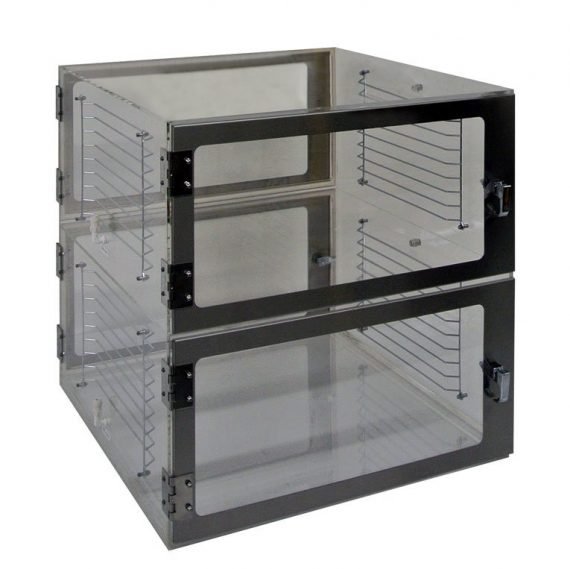
When evaluating a vacuum desiccator chamber for controlled laboratory drying, check that its specifications support your intended vacuum level and operating conditions. Confirm compatibility with the chemicals, solvents, or materials involved.
Consider these selection factors:
Chamber capacity: Choose sufficient space for samples without excessive crowding.
Vacuum rating: Verify that the chamber supports the required operating pressure.
Sealing system: Inspect seals and connections for dependable vacuum retention.
Internal configuration: Select shelves or sample supports that accommodate your materials.
Material compatibility: Ensure the chamber and seals are suitable for your application.
Monitoring capability: Determine whether you need pressure measurement or additional environmental monitoring.
A properly specified chamber provides a stronger foundation for repeatable drying than equipment selected solely on price or external dimensions.
Standardize Sample Loading and Placement
How you arrange samples inside the chamber can influence drying performance. Overcrowding restricts access to exposed surfaces, complicates sample handling, and may create inconsistent drying conditions.
To improve uniformity, distribute samples evenly across the available space. Avoid stacking specimens unless the process has been validated for stacked arrangements. Where practical, use consistent containers and maintain similar sample thicknesses and quantities between runs.
You should also standardize the distance between samples and chamber surfaces. This makes the loading arrangement easier to reproduce and helps you identify differences caused by sample placement.
For routine laboratory operations, create a loading diagram or written procedure. Record the number of samples, their positions, and the quantity of material processed in each run.
Control Vacuum Levels and Drying Time
Vacuum conditions directly influence moisture removal, but a deeper vacuum does not automatically guarantee better results. Lower pressure can help moisture evaporate at lower temperatures, making vacuum drying useful for certain heat-sensitive materials. However, performance depends on the material, the moisture present, and the process conditions.
Establish a suitable pressure range using manufacturer specifications and material-specific requirements. Apply vacuum gradually when necessary, particularly when handling fine powders, volatile substances, or materials that may foam or release trapped gases.
Next, determine an appropriate drying duration. Very short cycles may leave residual moisture, while unnecessarily long cycles can waste time or affect sensitive materials.
Use a documented procedure that specifies:
- Target pressure and acceptable operating range.
- Drying duration and any staged vacuum application.
- Permitted temperature, if temperature control is used.
- Conditions for releasing the vacuum.
- Criteria for determining when drying is complete.
Validate these parameters with representative samples before applying them to routine production or research work.
Use Desiccants and Maintain Clean Conditions
When your application requires moisture control inside the chamber, a compatible desiccant can help capture residual water vapor. Select a desiccant appropriate for your materials and operating conditions, and follow its handling, replacement, or regeneration instructions.
Remember that vacuum and desiccants serve related but different purposes. Vacuum reduces pressure, while a desiccant absorbs moisture. Depending on your application, you may need one or both.
Keep the chamber interior clean and dry between cycles. Remove spills, dust, and residue using approved cleaning methods. Contamination can affect sensitive samples and interfere with reliable operation.
Inspect seals, valves, tubing, and fittings regularly. Damaged seals or loose connections can prevent the chamber from maintaining the intended vacuum, resulting in inconsistent drying times.
Monitor Results and Validate Repeatability
Reliable drying depends on measurable results rather than assumptions. Establish a method for checking whether samples have reached the required condition.
Depending on your application, you may use a validated moisture analyzer, gravimetric measurement, or another material-appropriate testing method. For gravimetric testing, compare sample mass before and after drying under a defined measurement procedure.
Repeat the process using comparable samples and record the results. Track operating pressure, cycle duration, loading configuration, initial conditions, and final moisture-related measurements.
If results vary between runs, investigate one factor at a time. Check for vacuum leaks, inconsistent sample quantities, changing ambient conditions, exhausted desiccant, or differences in material preparation.
This systematic approach helps you identify the source of variation and refine your standard operating procedure.
Follow Safe Vacuum Operating Practices
Vacuum equipment must be operated within its rated limits. Before every cycle, inspect the chamber for cracks, damaged components, and compromised seals. Never use a vessel that is not designed and rated for vacuum service.
Avoid introducing incompatible chemicals, uncontrolled volatile substances, or materials that may release hazardous vapors without confirming equipment suitability. Follow applicable laboratory safety procedures, including appropriate ventilation and personal protective equipment.
Before opening the chamber, release the vacuum using the manufacturer’s recommended procedure and confirm that the pressure has returned to a safe level. Never force a lid or door open while a pressure differential remains.
Conclusion
Improving drying consistency with a vacuum desiccator chamber requires a coordinated approach to equipment selection, sample preparation, loading, pressure control, cleanliness, and performance verification. When you standardize these variables and document your results, you can reduce process variation and protect moisture-sensitive materials.
Explore laboratory moisture-control solutions from CleaTech LLC to identify equipment suited to your application.
If you need help evaluating chamber specifications, capacity, or vacuum requirements, Contact us today to discuss your laboratory needs.
Frequently Asked Questions
1. How does a vacuum desiccator chamber improve drying consistency?
It lowers internal pressure to support moisture removal under suitable conditions. Consistency improves when you also standardize sample loading, pressure settings, drying duration, and completion criteria.
2. What factors affect drying performance in a vacuum desiccator chamber?
Important factors include sample thickness, initial moisture content, material porosity, operating pressure, temperature, chamber sealing, desiccant condition, and loading arrangement.
3. Does a deeper vacuum always produce faster drying?
No. A lower pressure can promote evaporation, but the actual drying rate depends on material properties, moisture availability, and process conditions. Excessive vacuum may also cause foaming, outgassing, or loss of volatile components.
4. How can you determine when a sample is sufficiently dry?
Use a validated method appropriate for the material, such as moisture analysis or controlled gravimetric measurement. Establish an acceptable endpoint rather than relying only on elapsed time.
5. How often should you inspect a vacuum desiccator chamber?
Inspect the chamber before use and follow the manufacturer’s maintenance schedule for seals, valves, fittings, and other components. Increase inspection frequency if your application involves frequent cycling or demanding operating conditions.
6. Can you use a vacuum desiccator chamber for heat-sensitive materials?
Yes, for suitable materials and compatible equipment. Vacuum can facilitate moisture removal at lower temperatures, but you must verify the material’s limits and validate the drying procedure.
7. How do you troubleshoot inconsistent drying results?
Check for leaks, uneven loading, variations in sample preparation, unsuitable pressure settings, exhausted desiccant, and inconsistent measurement methods. Change one variable at a time to identify the cause.