High-performance cleanroom workstations are the backbone of any controlled environment where precision, sterility, and consistency matter. If you’re responsible for setting up or upgrading a cleanroom, you can’t afford to treat your workstation as just another table. The right design directly influences contamination control, workflow efficiency, and regulatory compliance. So, what exactly defines a high-performance cleanroom workstation, and how do you choose one that truly supports your operations?
Built for Contamination Control
First and foremost, you need a workstation that actively minimizes contamination risks. High-performance units are constructed using non-shedding, non-porous materials such as stainless steel or powder-coated steel. These surfaces resist particle buildup and are easy to sanitize.
You should also look for smooth edges, sealed joints, and minimal crevices. These design details prevent particles, microbes, and residues from accumulating in hard-to-clean areas. If your workstation can’t be cleaned quickly and thoroughly, it’s not suitable for a cleanroom—no matter how durable it appears.
Engineered for Airflow Compatibility
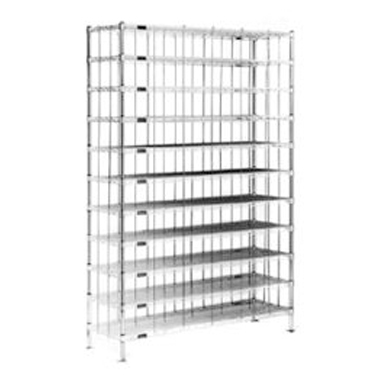
Your cleanroom relies heavily on controlled airflow, whether it’s laminar or turbulent. A high-performance workstation is designed to complement—not disrupt—this airflow. Open-frame designs, perforated shelves, or airflow-friendly structures help maintain uniform air distribution across your workspace.
If you place bulky or poorly designed furniture in your cleanroom, you risk creating dead zones where contaminants can settle. That’s why choosing high-efficiency modular cleanroom workstations for contamination control is essential. These solutions integrate seamlessly with airflow systems to preserve the integrity of your environment.
Ergonomics That Improve Productivity
You spend hours working at your station, so ergonomics should never be an afterthought. High-performance workstations are designed with adjustable heights, comfortable reach zones, and proper legroom to reduce strain during long tasks.
When your workstation supports your posture and movement, you work more efficiently and make fewer errors. Features like adjustable shelving, footrests, and customizable layouts ensure that your workstation adapts to your workflow—not the other way around.
Customization for Specific Applications
No two cleanrooms operate the same way. Whether you’re in pharmaceuticals, electronics, biotechnology, or aerospace, your workstation needs to reflect your specific processes.
High-performance workstations offer modular designs that allow you to add accessories like drawers, shelving units, lighting, or integrated equipment mounts. This flexibility ensures you can create a setup tailored to your tasks.
For example, if you handle delicate instruments, you may need vibration-resistant surfaces. If you deal with chemicals, corrosion-resistant materials become critical. Investing in customizable cleanroom workstations for specialized lab applications ensures your setup aligns perfectly with your operational needs.
Durability That Withstands Demanding Environments
Cleanrooms are not gentle environments. Frequent cleaning, exposure to chemicals, and constant use demand materials that can withstand wear and tear. High-performance workstations are built to last, maintaining structural integrity even under heavy usage.
You should prioritize corrosion-resistant materials and robust construction. Stainless steel, in particular, is a popular choice because it resists rust, tolerates aggressive cleaning agents, and maintains a clean appearance over time.
Compliance with Industry Standards
If your workstation doesn’t meet cleanroom standards, it can compromise your entire operation. High-performance workstations are designed to comply with ISO classifications and other regulatory requirements relevant to your industry.
This means they are tested and validated for particle control, material compatibility, and cleanability. Choosing compliant equipment helps you avoid costly audits, delays, or product contamination issues.
When you invest in ISO-compliant cleanroom workstations for regulated environments, you ensure that your setup supports both performance and compliance.
Integrated Technology and Accessories
Modern cleanroom workstations go beyond basic functionality. High-performance designs often include integrated lighting, electrical outlets, grounding systems, and data ports. These features streamline your workflow by reducing the need for external equipment.
You can also incorporate task lighting to improve visibility or anti-static components to protect sensitive electronics. These enhancements make your workstation not just a surface—but a fully optimized work hub.
Mobility and Flexibility
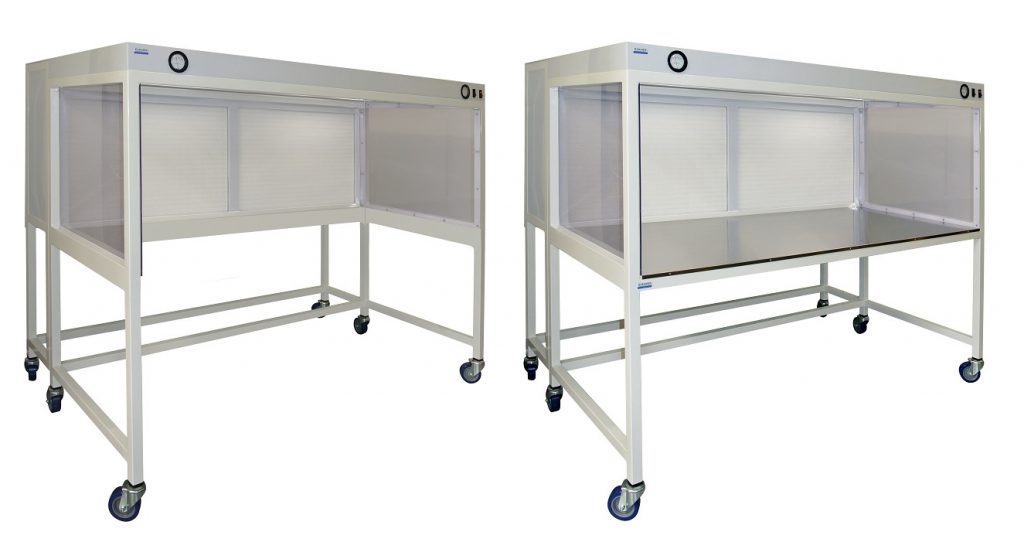
In dynamic cleanroom environments, flexibility matters. Some high-performance workstations come with lockable casters, allowing you to reposition them as needed without compromising stability.
Mobile workstations are particularly useful when your processes evolve or when you need to reconfigure your cleanroom layout. However, mobility should never come at the cost of stability or contamination control, so always choose designs specifically built for cleanroom use.
Why the Right Manufacturer Matters
Even the best design won’t perform well if it’s poorly manufactured. That’s why you should source your equipment from trusted providers who specialize in cleanroom solutions.
When you explore advanced cleanroom workstation solutions from CleaTech LLC, you gain access to expertly engineered products designed for real-world cleanroom challenges. A reliable manufacturer ensures consistent quality, proper material selection, and adherence to industry standards.
If you’re unsure which configuration suits your needs, it’s always wise to contact cleanroom workstation experts today for tailored guidance. Professional support can save you time, reduce costs, and ensure optimal performance from day one.
FAQs About High-Performance Cleanroom Workstations
What materials are best for cleanroom workstations?
Stainless steel and powder-coated steel are ideal because they are non-porous, easy to clean, and resistant to corrosion and contamination.
Why is airflow compatibility important in a workstation?
Proper airflow prevents particle buildup. A poorly designed workstation can disrupt airflow, creating contamination risks.
Can cleanroom workstations be customized?
Yes, high-performance workstations often feature modular designs that allow you to add shelves, lighting, drawers, and other accessories.
How do I ensure my workstation meets cleanroom standards?
Choose workstations that comply with ISO classifications and are specifically designed for controlled environments.
Are mobile workstations suitable for cleanrooms?
Yes, as long as they are designed for cleanroom use and include features like lockable casters and stable construction.
How often should cleanroom workstations be cleaned?
Cleaning frequency depends on your cleanroom classification, but high-performance workstations are designed for frequent and thorough cleaning.
Conclusion
By focusing on contamination control, airflow compatibility, ergonomics, and durability, you can confidently select a workstation that enhances both performance and compliance. A high-performance cleanroom workstation isn’t just equipment—it’s a critical investment in the success of your operations.